
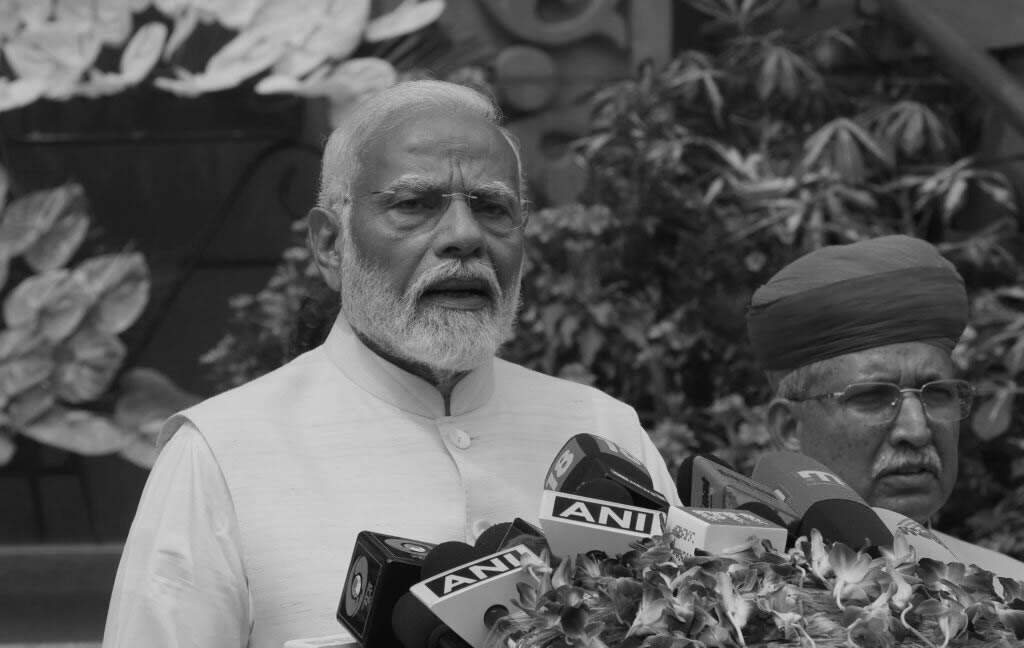
Now that India’s April elections are over, with Narendra Modi winning a third term as prime minister but his Bharatiya Janata Party (BJP) losing its sole majority in parliament, the inevitable unpacking of the results has begun. Some media outlets have concluded that climate change hardly figured into the elections, based on exit poll responses and the light usage of the term “climate change” in the manifestos of the BJP and Congress party.
But that assessment seems to be more of an issue of semantics than an accurate reflection of voter sentiment. Widespread discontent among Indian farmers and agricultural laborers (sectors that represent 43 percent of the country’s total workforce), persistent inflation, and a lack of jobs for India’s youth, have all been cited as reasons for the BJP’s slide. All of these problems, at least in part, are caused by climate change, whether post-election coverage acknowledges this or not. To maintain popular support, the coalition government will need to adopt long-term climate solutions that connect directly to the livelihoods and economic needs of India’s youth and agricultural sector.